
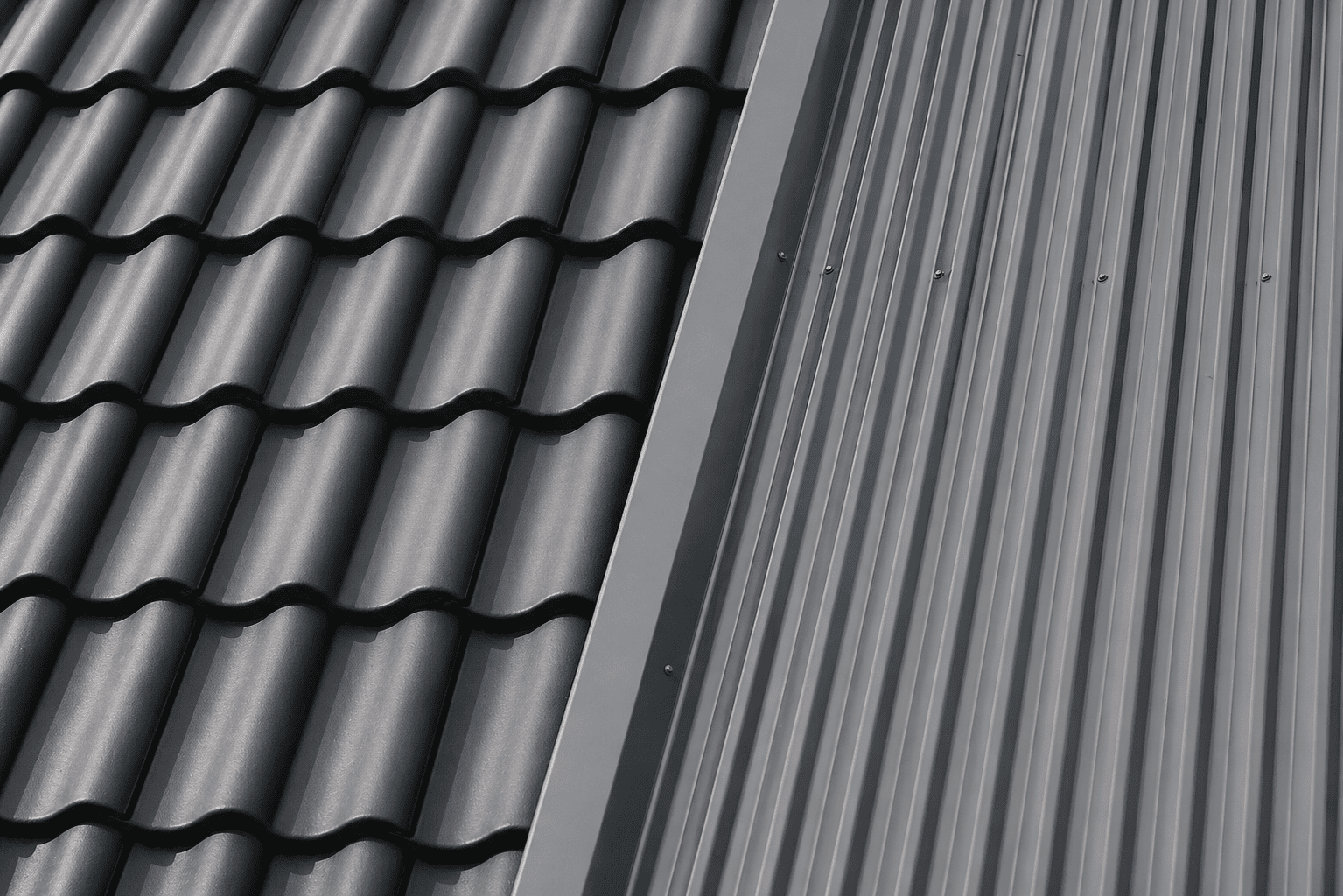
If your home was built between the 1970s and 1990s, there’s a good chance it has a concrete or terracotta tiled roof. Many of these roofs are now reaching the point where repairs become frequent and costs start to add up.
That’s why more homeowners are considering switching to Colorbond.
This change isn’t just about appearance. It affects how your roof performs, how much maintenance it needs, and how well it handles local weather conditions. Before making a decision, it’s worth understanding what’s involved and whether it actually suits your situation.
Can You Replace Tiles with Colorbond?
In most cases, yes.
But it’s not as simple as removing tiles and putting sheets in their place. A proper conversion includes:
- Checking the existing roof structure
- Removing and disposing of tiles
- Adjusting battens and support systems
- Installing insulation and sarking
- Fitting Colorbond sheets and flashings
Each step matters because the new roof behaves differently to the old one.
Why Homeowners Make the Switch
It Handles Weather Better
Tiles can crack, shift, or let water in when damaged. Over time, small issues turn into leaks.
Colorbond is fixed in place and designed to handle wind, temperature changes, and storms more consistently. That means fewer weak points across the roof.
Insulation Can Be Improved
Older tiled roofs often have little or outdated insulation. When converting a roof to a new one, you have the chance to install modern insulation and sarking.
This matters because it directly affects how comfortable your home feels in winter and summer, and how much you spend on heating and cooling.
Less Ongoing Maintenance
Tiles require regular attention. Broken pieces need replacing, and debris buildup can lead to moss and water issues.
Colorbond doesn’t eliminate maintenance, but it reduces it. You’re less likely to deal with ongoing small repairs.
It Changes the Look of the Home
A new metal roof can make an older home look cleaner and more updated. For some homeowners, this is a bonus. For others, it’s not a priority.
The real value tends to come from performance, not just appearance.
What It Costs
Here’s a realistic range based on typical homes:
- Small home (120–150m²): $18,000–$25,000
- Standard home (150–220m²): $25,000–$40,000
- Larger home (220–300m²): $40,000–$60,000+
The price varies because every roof is different. These are just estimates. If you would like to have an exact price, then contact us today and we will be able to provide you with an accurate quote
Where the Money Goes
- Tile removal and disposal
- Structural adjustments (if needed)
- Materials
- Labour
The biggest variable is usually the structure. Some homes need minimal changes. Others require more work to suit the lighter roofing system.
What Affects the Price
Several things can push costs up or down:
- Roof size and pitch
- Access to the roof
- Whether structural changes are needed
- Insulation upgrades
- Design complexity
Split-level homes, for example, tend to cost more because they’re harder to work on.
How the Process Works
Most conversions follow the same sequence:
- Inspection
- Tile removal
- Structural preparation
- Installation
In many cases, the work is completed within a week, depending on weather and complexity.
The timeline is short, but each stage needs to be done properly. Rushing or skipping steps usually leads to problems later.
Structural Considerations
This is one of the most important parts of the whole process.
Tiles are heavy. Colorbond is much lighter. That changes how the roof frame handles loads.
Because of that, adjustments are often required, such as:
- Updating tie-down systems
- Reinforcing certain sections
- Making sure the structure meets current standards
Ignoring this step can create safety issues, especially in strong winds.
Tile vs Colorbond
Tiles and Colorbond behave very differently:
- Tiles are heavier and more prone to small failures
- Colorbond is lighter and more consistent under stress
- Tiles usually require more ongoing repairs
- Colorbond generally lasts longer with less upkeep
For many homes, especially older ones, the shift comes down to reducing future problems rather than chasing a visual upgrade.
Pros and Trade-Offs
Switching to Colorbond has clear benefits:
- Lower maintenance
- Better weather resistance
- Opportunity to improve insulation
- Longer lifespan
But there are trade-offs:
- Higher upfront cost
- Possible structural work
- Increased noise if insulation isn’t done properly
The last point is often overlooked. Without proper insulation, rain noise can become noticeable.
When It Makes Sense
The decision usually comes down to timing and condition.
It makes sense if:
- Your roof is ageing or leaking
- Repairs are becoming frequent
- You plan to stay in the home long term
It may not make sense if:
- The roof has recently been restored
- You’re planning to sell soon and won’t recover the cost
Common Mistakes
Some mistakes show up again and again:
- Choosing the cheapest quote and getting poor workmanship
- Skipping insulation to save money
- Ignoring structural requirements
- Hiring contractors without experience in conversions
Each of these can reduce the lifespan of the new roof or create issues that are expensive to fix later.
Choosing the Right Contractor
Not every roofing company handles conversions well.
Look for someone who:
- Has done tile-to-Colorbond conversions before
- Provides clear, detailed quotes
- Understands structural requirements
- Is properly licensed and insured
Experience matters more here than it does with simple repairs.
Replacing a tiled roof with Colorbond is a significant change. It affects how your home performs day to day, not just how it looks.
For many homeowners, the real benefit is fewer problems over time. Less maintenance, better insulation, and more reliable performance in bad weather.
The key is making sure the work is done properly from the start.
